

For regularly scheduled eye exams, expect to talk about any changes in your medical history since the last time you saw your eye doctor. And if this is your first time in a new practice, you’ll be asked to provide a more complete medical history, including a list of medications you’re currently taking, and any vision problems your parents may have experienced.
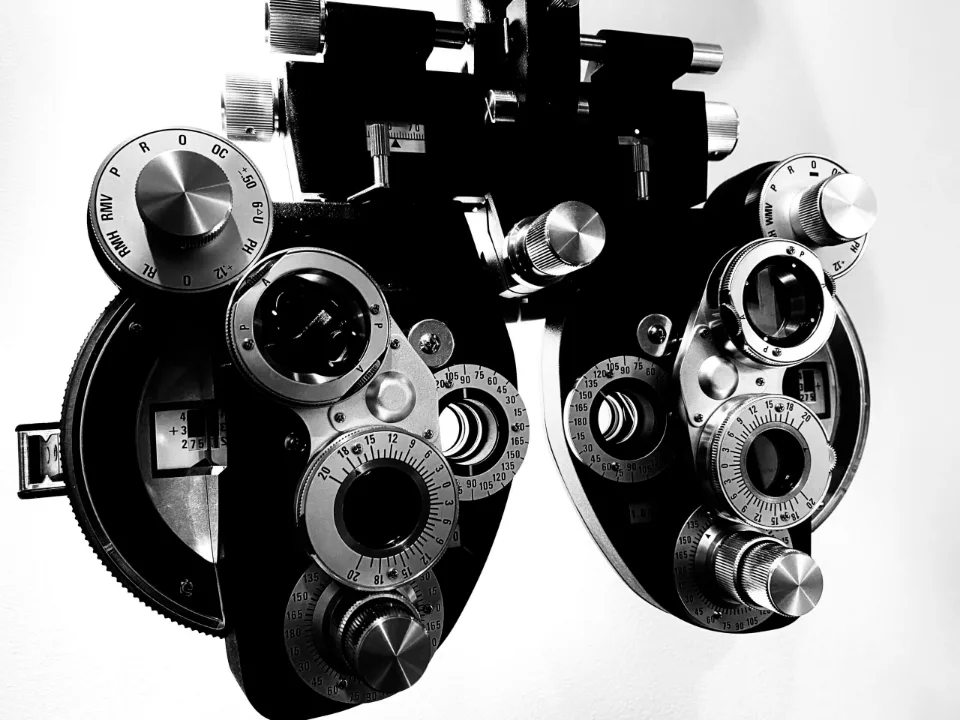
In addition, you’ll undergo a series of vision and eye tests that help determine the overall health and quality of your vision. These tests also help to check that your current prescription glasses or contacts (if you have one) is still meeting your vision needs. Your eye doctor will also check your eyes for signs of any potential vision problems or eye diseases. In many instances, your pupil may be dilated (opened) using special drops so that your eye doctor can better see the structures of the eye.
You’ll then have an honest discussion about the current state of your eye health and vision, and your eye doctor may “prescribe” vision correction for you in the form of eyeglasses or contact lenses. Any health concerns or possibly serious vision complications will also be discussed, including the next steps you must take to preserve and protect your sight.
In general, a routine eye exam will last less than an hour depending upon the number of tests you have, and may be partially or completely covered by many vision insurance plans.
Visiting eye doctors as a result of a vision screening is also common, but remember: vision screenings offered by health clinics, pediatricians, public schools or local charitable organizations are not a substitute for comprehensive eye exams. Be sure to bring the findings from your screening to your eye doctor—it’s a great way to begin the discussion of your current eye health.
For eye doctor visits that result from eye pain, eye discomfort or vision problems you actually can see, expect to take many of the steps involved in a routine eye exam, but specific to the symptoms you’re having. There may be a number of additional tests required as well, so it’s important—especially when suffering pain or discomfort—to allow for as much time as possible for a complete, comprehensive eye exam.
And if you feel you are in an emergency situation with your eyes or your vision—don’t wait. Seek immediate emergency medical treatment.
What to Remember
Many vision problems and eye diseases often present minimal, if any, symptoms. That’s why it’s so important to make regular appointments to see your eye doctor. And since vision can change gradually over time, it’s important to know that you’re seeing your best, year after year.
Remember the following for your next eye doctor visit:
- Know your medical history and list of current medications
- Know your current symptoms and be able to describe them—write them down if necessary
- Know your family history—some eye diseases like glaucoma and cataracts are hereditary
- Ask in advance about your particular vision insurance plan, and if a co-pay will be due
- Bring your insurance card, identification and method of payment, if necessary
- Bring your most recent prescription for glasses or contact lenses
- Bring your corrective eyewear to the exam
- If undergoing a test using dilation eye drops, bring proper eye protection, like sunglasses, for after your appointment
Most importantly, remember that eye doctors—and everyone within the eyecare practice—are there to help you see your best and feel your best
Special thanks to the EyeGlass Guide, for information material that aided in the creation of this website. Visit the EyeGlass Guide today!